Ghosty Embroidery Design Review for Small Business Merch
As an embroidery designer who has spent years digitizing files and consulting with small business owners, I approach every new machine embroidery design with a critical eye. It is not just about whether a motif looks cute on a screen; it is about how that design performs under the needle, how it holds up in the wash, and ultimately, how it elevates a brand’s identity. Today, I am reviewing Ghosty, a seasonal design that promises to bring a shimmery, playful touch to Halloween merchandise. For boutique owners, Etsy sellers, and custom apparel decorators, understanding the practical application of this file is crucial before committing to production runs.
First Impressions: Balancing Whimsy and Professionalism
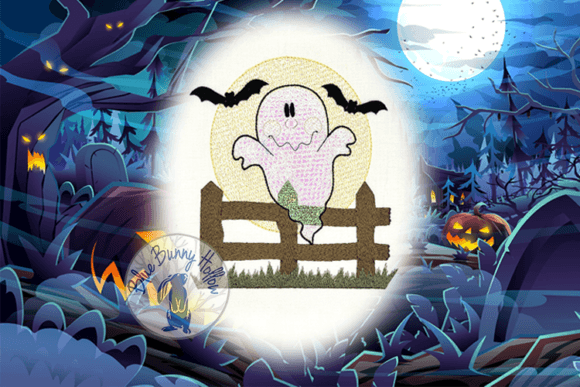
The first thing that strikes me about Ghosty is its inherent charm. The description highlights an "adorable little Ghosty" ready for spooky celebrations, which immediately signals a playful and friendly aesthetic. In the world of branded merchandise, tone is everything. A design that is too scary might alienate family-oriented customers, while one that is too generic fails to stand out. Ghosty strikes a balance that feels handmade yet polished. The promise of using Mylar to achieve a shimmery effect suggests a premium finish, moving the design beyond simple thread work into something that catches the light and the customer’s eye. This visual appeal is vital for small business merch where shelf presence or social media scroll-stopping power can make or break a sale.
Strategic Applications for Branded Merchandise
When evaluating a digital embroidery file for commercial use, I always map out potential applications. Ghosty is versatile, but its success depends on where you place it. Here is how I envision this design working in a real-world business scenario:
- Embroidered Patches: This is perhaps the strongest use case. A patch allows for controlled density and the use of specialty materials like Mylar without worrying about the stability of the base garment. Ghosty could serve as a limited-edition collectible for loyal customers.
- Tote Bag Design: Canvas bags provide a sturdy, flat surface ideal for embroidery. Placing Ghosty on a tote creates a functional piece of custom apparel that customers will use repeatedly, increasing brand visibility.
- Apron Embroidery: For bakeries, florists, or craft studios hosting Halloween workshops, embroidering Ghosty on staff aprons adds a festive, cohesive look to the team’s uniform while maintaining professionalism.
- Cap Embroidery: While possible, this requires caution. The curved surface of a cap front can distort detailed designs. If used here, Ghosty should be simplified or sized appropriately to ensure the "shimmery" elements do not bunch up.
For handmade brands, integrating Ghosty into product packaging accents or as a gift-with-purchase item can significantly boost buyer engagement. It transforms a standard transaction into a memorable experience.
Technical Considerations and Production Challenges
While the aesthetic of Ghosty is appealing, the technical execution requires careful planning. The mention of Mylar introduces specific challenges. Mylar is a specialty film that adds shine but can be tricky to hoop and stitch. It requires precise tension settings and often benefits from a water-soluble topping to prevent the needle from perforating the film excessively. If you are new to using specialty materials, I strongly advise running test stitches on scrap fabric before committing to your final finished product.
Another critical factor is stitch density. High-density areas can cause puckering, especially on lighter fabrics like kitchen towels or thin tote bags. You must check if the design includes proper underlay stitches to stabilize the fabric. Additionally, consider the thread colors chosen. While white ghost threads are traditional, using off-white or pastel hues might offer better contrast against dark uniforms or black tote bags, ensuring the design remains visible and legible from a distance.
When working with textured fabric, such as terry cloth towels or heavy canvas, the details of Ghosty might get lost. In these cases, increasing the size of the embroidery or simplifying the outline can help maintain clarity. Always confirm the recommended hoop size provided with the file to ensure it fits your machine’s capabilities and the intended placement area.
Impact on Brand Identity and Customer Trust
Consistency in design assets builds trust. If your brand is known for high-quality, whimsical products, Ghosty fits seamlessly into that narrative. However, if your brand leans towards minimalist or luxury aesthetics, this playful design might feel out of place unless positioned as a special seasonal collection. Using a well-digitized file like Ghosty signals professionalism. Sloppy stitching, loose threads, or distorted shapes can damage brand identity and reduce perceived value. Conversely, a crisp, shimmery Ghosty embroidered with precision enhances the perceived quality of the item, justifying a higher price point.
For Etsy sellers and crafters, offering items featuring Ghosty can differentiate your shop during the competitive Halloween season. It shows that you are current, creative, and attentive to detail. Customers often associate the quality of the embroidery with the quality of the business itself. A well-executed embroidered patch or tote bag becomes a walking advertisement for your shop.
Practical Designer Notes for Implementation
Before you launch your Ghosty-themed collection, follow these practical steps to ensure success:
- Test in Black and White: Print or view the design in grayscale to check for contrast issues. If the outlines disappear in black and white, they may lack definition on certain fabric colors.
- Check Scalability: Determine if Ghosty works at small patch sizes. Intricate details may need to be removed or simplified if you plan to create miniature versions for labels or small accessories.
- Review Stabilizer Requirements: Choose the right stabilizer based on your fabric. Cut-away stabilizers are generally best for garments that will be washed frequently, while tear-away might suffice for decorative wall hangings.
- Create a Printable Mockup: Before stitching, use digital tools to create a printable mockup of Ghosty on your intended product. This helps visualize scale and placement without wasting materials.
- Confirm Commercial Licensing: Always verify the license terms associated with the embroidery file. Ensure you have the rights to use the design for commercial purposes, especially if you are selling the finished goods.
In conclusion, Ghosty offers a delightful opportunity for small businesses to engage with their audience through seasonal, high-quality merchandise. By paying attention to technical details like stitch density, fabric texture, and specialty material handling, you can transform this adorable design into a profitable and professional asset for your brand. Whether adorning a kitchen towel or serving as a standout patch on a tote, Ghosty has the potential to bring a touch of shimmery magic to your commercial embroidery projects.