Golf Bag Embroidery: A Seller’s Review for Etsy Shops
As an experienced embroidery seller, I am constantly scanning Creative Fabrica for designs that bridge the gap between aesthetic appeal and commercial viability. When I stumbled upon the Golf Bag design, my immediate thought was not just about how it looked, but how it would perform in a real-world production environment. For those of us running small craft businesses, every new machine embroidery design represents an investment of time, thread, and stabilizer. We need to know if a file is worth the effort before we commit to listing it in our shops.
Visual Appeal and Market Positioning
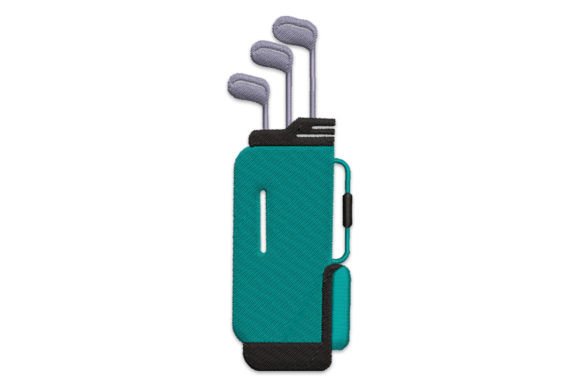
The product description promises a stunning embroidery design showcasing a golf bag with clubs, meticulously crafted with intricate stitches and lifelike textures. From a visual standpoint, this suggests a level of detail that leans toward the premium side of the spectrum. It does not feel like a quick, cartoonish clipart conversion. Instead, it carries a sense of class and tradition, which is crucial when targeting the Sports category. Golfers often take pride in their gear, and they appreciate quality. This design feels elegant and classic rather than playful or overly modern.
For an Etsy seller, this distinction matters. A design that looks cheap will only attract bargain hunters, whereas a design that looks sophisticated can command a higher price point. The promise of lifelike textures implies that the digitizer has paid attention to stitch angles and layering. This is essential for creating a handmade product that stands out in a crowded marketplace. If the texture translates well on fabric, it becomes a powerful tool for branding your shop as a provider of high-quality, boutique merchandise.
Ideal Product Applications
When evaluating a new embroidery file, I always ask myself where it belongs. Based on the subject matter, the Golf Bag design is incredibly versatile. Here are several product ideas that could benefit from this specific artwork:
- Custom Apparel: This is perfect for sweatshirt embroidery or polo shirts. Placing the design on the left chest creates a professional, club-member look. It also works well on caps, provided the hoop size allows for the full width of the bag and clubs.
- Accessories: A tote bag design featuring this motif would appeal to golfers carrying extra gear or towels. It adds a touch of personality to standard canvas bags.
- Home Decor: Consider kitchen towel embroidery for a fun twist. Golf-themed gifts are popular for Father’s Day or retirement parties. An embroidered towel with this design could be part of a curated gift set.
- Patches and Appliques: If the design holds up at smaller sizes, it could be stitched out as an embroidered patch. These can be sold separately or used to embellish jackets and bags.
The key here is versatility. A design that only works on one type of fabric limits your revenue potential. The Golf Bag concept seems robust enough to handle various textiles, from the thick pile of a towel to the smooth weave of a performance polo.
Commercial Viability and Buyer Psychology
Why do customers buy embroidered goods? Often, it is for the emotional connection or the perceived value of a personalized gift. This design supports that psychology beautifully. Golf is a social sport with a strong gifting culture. Whether it is a birthday present for a dad who loves the course or a retirement gift for a colleague, this design speaks directly to that niche.
From a marketing perspective, this design is highly photogenic. The intricate stitches and textured look mean that your printable mockup or actual product photography will have depth. Shadows created by the stitches add dimension, making your listings more attractive to online shoppers. In a digital storefront, texture sells. It proves that the item is truly handmade and not just a printed transfer.
Furthermore, using this in a commercial embroidery context allows you to target local golf clubs or pro shops. If you can produce consistent, high-quality results, you might secure bulk orders for team apparel or club merchandise. This moves your business beyond single-item sales into B2B opportunities.
Practical Seller Notes and Technical Considerations
Before adding any new design to your inventory, there are critical steps you must take. As much as I love the concept of the Golf Bag, practical execution is everything. Here is my checklist for evaluating this file:
- Test Stitch-Out: Never list a product based solely on the digital preview. Stitch the design out on the actual fabric you intend to sell. Check for puckering, thread breaks, or registration issues.
- Check Stitch Density: The description mentions intricate stitches. High density can be beautiful, but it can also make fabric stiff or cause needle deflection. Ensure the stitch density is appropriate for the garment weight. You may need to adjust your tension or use a cut-away stabilizer for best results.
- Verify Hoop Size: The description does not specify exact dimensions. You must confirm the hoop size required on the Creative Fabrica product page. If it requires a large hoop, ensure your machine can accommodate it. If it is too large for standard cap frames, you may need to resize it, which could affect detail clarity.
- Thread Color Matching: Experiment with different thread colors. While the default colors might be realistic, try metallic threads for the clubs or contrasting colors for the bag to see what pops best on different fabric backgrounds.
- Licensing Confirmation: Always review the license terms on the product page. Ensure that the digital embroidery file allows for the sale of finished physical goods. Most Creative Fabrica designs do, but it is vital to be certain to protect your craft business.
Final Thoughts for Creative Entrepreneurs
The Golf Bag design offers a compelling opportunity for sellers in the Embroidery niche. It targets a passionate demographic with disposable income and a love for personalized items. By treating this design with the care it deserves—testing it thoroughly, photographing it well, and marketing it as a premium item—you can create a successful product line.
Remember, success in this industry is not just about having the right files; it is about understanding how those files translate into tangible value for your customers. Whether you are creating baby embroidery for a new grandchild who is already being taught to putt, or high-end custom apparel for a tournament, this design has the potential to elevate your offerings. Take the time to validate the technical specs, trust your instinct for quality, and let your creativity drive your sales strategy.