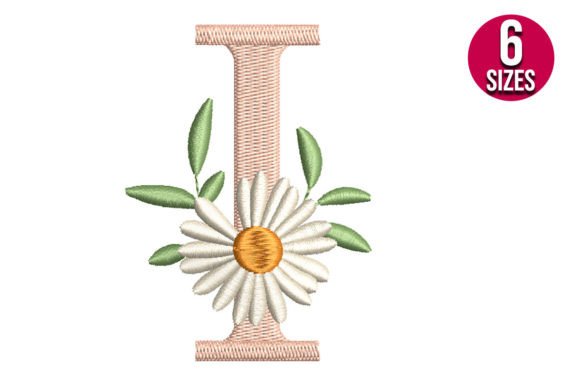
Review: Floral Alphabet Letter I for Craft Fairs
As an embroidery designer who has spent countless weekends behind a booth table, I know that not every design translates from the screen to the sales floor. When I first loaded the Floral Alphabet Letter I into my software, I was looking for more than just pretty petals. I was looking for a workhorse design that could anchor a product line. This review breaks down how this specific machine embroidery design performs when the pressure is on and customers are browsing your handmade goods.
First Impressions and Aesthetic Appeal
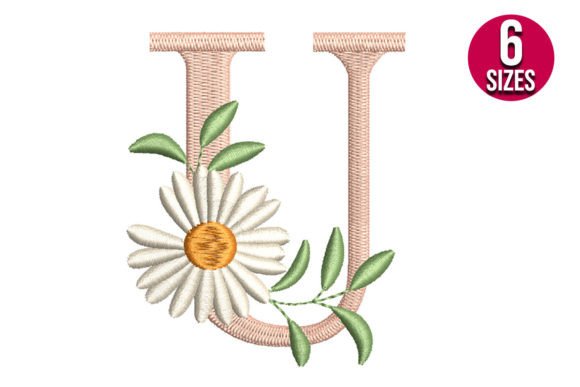
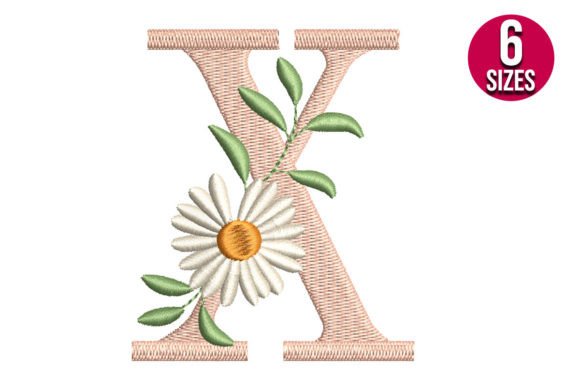
The initial view of the Floral Alphabet Letter I suggests a blend of elegance and approachability. It does not scream "rustic" in a rough sense, nor does it feel overly modern or minimal. Instead, it lands comfortably in a soft, decorative category that appeals to a broad demographic. For those specializing in Wedding Monogram items, this letter offers a romantic touch without being too bridal-specific, making it versatile for year-round sales.
The floral elements surrounding the letter provide a natural frame that draws the eye immediately. In a busy craft fair environment, where shoppers scan tables quickly, this visual clarity is crucial. The design feels premium, suggesting high-quality Embroidery work even before the customer touches the fabric. It strikes a balance between intricate detail and readable simplicity, which is rare in alphabet designs.
Product Versatility for the Handmade Seller
To determine if a design is worth the hoop time, I test it across various substrates. Here is how the Floral Alphabet Letter I performs on common craft fair product staples:
- Tote Bags: This is perhaps the strongest application. As a tote bag design, the letter serves as a personalized focal point. The floral accents add value, allowing you to charge more than for a plain text monogram.
- Aprons and Tea Towels: For apron embroidery and tea towel embroidery, the design works well as a chest pocket accent or a corner detail. However, ensure the scale is adjusted so the flowers do not overwhelm the utility of the item.
- Embroidered Patches: If you sell patches, this design translates beautifully. The enclosed nature of the floral elements makes it ideal for cutting out as an embroidered patch that customers can iron onto jackets or bags later.
- Caps and Pouches: On curved surfaces like caps, the design requires careful hooping. The width of the floral spread must be checked against the cap’s front panel to avoid distortion.
For Etsy seller accounts, this versatility means you can create multiple listings from one digital embroidery file. You can market it as part of a bridal suite, a home decor set, or a personalized gift line, maximizing your return on investment for the design assets.
Production Practicality and Batch Selling
When running a small shop, efficiency is key. The Floral Alphabet Letter I appears to be designed with production in mind. The stitch paths seem logical, minimizing jumps and trims, which speeds up the machine time. This is vital for creating inventory for a weekend market. A design that takes twenty minutes longer per item can cost you hundreds in lost production time over a season.
Photography is another critical factor. This design photographs exceptionally well because the contrast between the thread and the background fabric is enhanced by the floral shapes. When creating a printable mockup or taking photos for your online store, the texture of the stitches adds depth that flat prints cannot match. This visual appeal drives buyer engagement and increases the perceived value of the finished product.
Careful-Use Notes and Technical Considerations
While the design is robust, there are technical nuances to consider before mass production. Always check the stitch density in your software. If the floral areas are too dense, they may cause puckering on lightweight fabrics like chiffon or thin cotton. Conversely, on thick fabrics like denim or canvas tote bags, you must use an appropriate stabilizer to prevent the design from sinking into the fabric texture.
Pay attention to the smallest details. Tiny flower petals or leaf tips can get lost if the thread tension is off or if you use a thread color that blends too much with the background. For dark fabrics, consider using a lighter thread palette to ensure the Floral Alphabet Letter I remains legible. Also, verify the hoop size requirements. If the design is large, you may need a 5x7 or larger hoop, which limits the types of machines that can produce it efficiently.
Another consideration is the commercial license. Since the product description mentions it is a high-quality design, ensure you have the rights for commercial embroidery sales. Most designers allow selling finished physical items, but restrictions often apply to sharing the digital file itself. Always read the terms included with your purchase.
Designer Tips for Best Results
Before committing to a full batch of products, follow these steps to ensure quality consistency:
- Test on Scrap Fabric: Never skip the test stitch. Use the exact fabric type you plan to sell. Check for registration issues where the flowers meet the letter.
- Check Thread Contrast: Pull out your thread chart. Does the design pop? Try at least three different color combinations to see which sells best in your target market.
- Review Spacing: Ensure the floral elements do not crowd the letter "I" to the point of illegibility. The letter should remain the hero of the design.
- Create Real Mockups: Sew one sample item, such as a tote or pillow cover, and photograph it in natural light. Use this image for your primary listing photo.
- Confirm Details: Since the provided description does not specify exact stitch counts or file formats, log in to your account or check the download folder to confirm compatibility with your machine brand.
In conclusion, the Floral Alphabet Letter I is a strong contender for any embroidery business looking to expand its monogram offerings. It balances aesthetic charm with production practicality, making it a reliable choice for both small shop product lines and large craft fair displays. By paying attention to fabric choice and stabilizer selection, you can turn this single design into a best-selling staple of your inventory.