Reviewing Feeling a Little Hollow for Boutique Sweatshirts
As an embroidery designer who has spent years digitizing for small businesses and boutique brands, I approach every new machine embroidery design with a critical eye. It is not just about whether the image looks cute on a screen; it is about how that design translates to fabric, how it holds up under the needle, and ultimately, how it sells. Recently, I had the opportunity to test run Feeling a Little Hollow, a hauntingly delightful Halloween embroidery design intended for seasonal décor and apparel. For this review, I am looking at it specifically through the lens of a premium sweatshirt collection for a small online shop.
First Impressions and Design Aesthetic
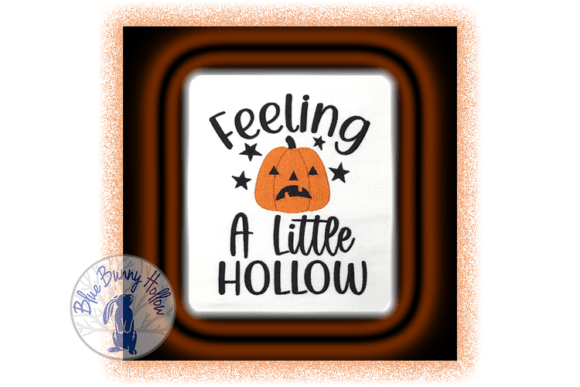
The title Feeling a Little Hollow immediately sets a mood that is playful yet slightly eerie, which is exactly what modern consumers are looking for during the autumn season. Upon loading the digital embroidery file into my software, the layout appeared balanced and thoughtful. The design does not rely on overly complex shading that can muddy up on textured fabrics. Instead, it uses clean lines and strategic spacing to create a spine-tingling touch without sacrificing readability.
For a boutique brand, the aesthetic needs to walk a fine line between casual and premium. This design leans towards a decorative yet minimal style. It is not so bold that it overwhelms the garment, nor is it so subtle that it gets lost. The stitching personality feels intentional, with a mix of satin and fill stitches that suggest quality craftsmanship. When I visualized the finished product, I could see it working beautifully on neutral sweatshirts. The contrast of white or cream thread against a charcoal or olive green hoodie creates a sophisticated look that appeals to adults who want to participate in Halloween festivities without wearing costume-grade apparel.
Placement Strategy for Sweatshirts and Hoodies
One of the most important decisions for any hoodie design is placement. Feeling a Little Hollow is versatile enough to work in several key areas. For a standard crewneck sweatshirt, I recommend a left-chest placement. This keeps the design intimate and allows the wearer to pair it with other accessories without visual clutter. The size appears appropriate for this location, ensuring that the details remain crisp even when scaled down.
However, if you are producing oversized hoodies, which are currently trending heavily among creative entrepreneurs and Etsy sellers, consider a larger scale on the back. A centered back placement allows the design to breathe and become a statement piece. The "hollow" theme lends itself well to negative space, which looks particularly striking on the broad canvas of a back panel. For sleeve accents, a smaller version of the motif could serve as a subtle branding element, adding value to the custom apparel without dominating the silhouette.
Fabric Considerations and Technical Execution
When moving from digital assets to physical production, fabric texture plays a massive role. Sweatshirts, especially those made from heavy cotton blends or fleece, have a distinct pile. I found that Feeling a Little Hollow handles this texture well, provided you pay attention to your stitch density. If the density is too high, the fabric may pucker; if too low, the backing might show through. Based on the description of it being perfect for adorning favorite fabrics, I suspect the digitizer has accounted for medium-weight materials, but always test on your specific blank.
Stabilizer choice is equally critical. For a premium feel, I recommend using a cut-away stabilizer rather than tear-away. This ensures that the embroidery remains stable after multiple washes, maintaining the integrity of the handmade product. Since Halloween apparel is often worn repeatedly throughout October and stored for next year, durability is key to buyer trust. The design must withstand the friction of wearing and the agitation of washing machines without losing its shape or thread tension.
Commercial Viability and Brand Identity
For small shop owners and Etsy sellers, the right design can elevate brand identity. Feeling a Little Hollow offers a unique visual recognition factor. It is not a generic pumpkin or ghost; it has a specific personality that can help define your shop’s aesthetic. Using this design in your printable mockup previews can significantly boost customer engagement. Lifestyle photography featuring the embroidery on cozy, draped sweatshirts can convey warmth and quality, encouraging higher conversion rates.
Furthermore, the perceived value of embroidered items is generally higher than printed ones. Customers associate embroidery with longevity and craftsmanship. By offering this as part of a limited drop, you create scarcity and urgency. The design feels strong enough for commercial embroidery use, meaning it can handle the volume of orders typical for seasonal spikes. However, always verify the license terms included with the embroidery file to ensure it covers commercial sales, as this varies by creator.
Color Palette and Thread Selection
While the design is spooky, it does not have to be limited to black and orange. Experimenting with thread colors can open up new markets. Pastel colors like lavender, mint, or soft peach can give the design a whimsical, feminine twist, appealing to customers who prefer a "cute" Halloween vibe over a scary one. Conversely, metallic threads like copper or silver can add a rustic, premium touch suitable for higher-end boutique merchandise. The key is to ensure sufficient contrast between the thread and the fabric so the details of Feeling a Little Hollow remain visible and impactful.
Final Verdict for Designers and Makers
In conclusion, Feeling a Little Hollow is a solid addition to any autumnal design library. It balances playfulness with professionalism, making it ideal for both casual wearers and discerning buyers. For the experienced embroiderer, it presents few technical hurdles, assuming proper stabilizer and hoop selection. For the business owner, it offers a marketable, trendy asset that can drive sales during the crucial Q4 period.
Before starting your production run, remember to check the specific hoop size requirements and stitch count provided in the file documentation. Create a few test stitches on scrap fabric identical to your final blanks to fine-tune tension and density. With careful execution, this design can become a standout piece in your seasonal collection, enhancing your reputation for quality and creativity. Whether you are decorating home goods or crafting the perfect sweatshirt embroidery piece, this design delivers on its promise of being hauntingly delightful.