Reviewing the First Aid Zipper Bag Embroidery Design
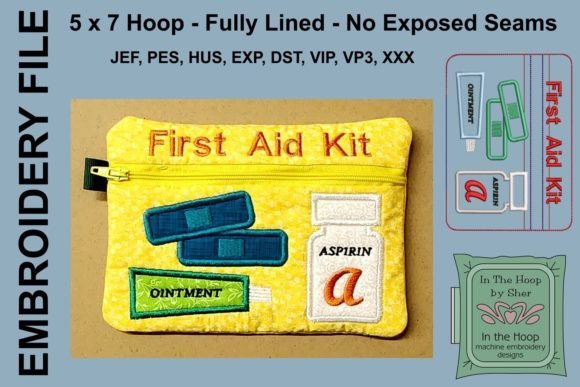
As designers and makers, we often get swept up in the aesthetic appeal of a new machine embroidery design before considering its practical application. I recently pulled the First Aid Zipper Bag file into my digitizing software to evaluate it not just as a graphic, but as a functional element for real-world products. My goal was simple: determine if this design holds up under the needle when applied to client projects, handmade goods, or small shop merchandise.
The first impression is one of organized utility mixed with visual charm. The layout suggests a compact, durable pouch, which immediately brings to mind themes of safety, preparedness, and care. For an embroidery designer, this is a versatile starting point. It does not scream "medical emergency" in a sterile way; instead, it offers a stylish, approachable look that fits comfortably within the Accessories category. This subtle distinction is crucial because it allows the design to bridge the gap between serious utility and fashionable Embroidery art.
Visual Personality and Project Fit
When I examine the line work and potential fill areas of the First Aid Zipper Bag, I see a design that relies on clean shapes rather than excessive detail. This is a strength. In real-life stitching, overly complex graphics can turn into a muddy mess on textured fabrics. Here, the visual personality feels modern and minimal. It creates a mood of reliability without being clinical.
I immediately thought about where this would shine. It is not just for medical kits. Imagine this stitched onto a canvas tote bag design for a teacher’s classroom supplies or a parent’s diaper bag. The concept of a "zipper bag" translates well to organization. For a craft business, this opens up avenues beyond traditional first aid. You could market it as a tech organizer pouch, a travel toiletry case, or a craft supply holder. The design’s flexibility is its strongest asset.
Real-World Application Scenarios
To test the viability of this embroidery file, I mentally placed it on several common substrates. On a heavy cotton sweatshirt embroidery project, the design would need sufficient density to stand out against the fleece or terry cloth background. A fill stitch approach for the body of the bag would provide good coverage, while a satin stitch border could define the zipper and edges sharply.
For custom apparel, such as a work uniform polo or a volunteer vest, the First Aid Zipper Bag serves as a clear identifier. It signals readiness. However, for delicate items like baby embroidery on onesies, caution is required. The design must be scaled down significantly, and the stitch count reduced to prevent stiffness against sensitive skin. In this context, using a lighter weight stabilizer and fewer thread colors would keep the finished product soft and wearable.
I also considered its use on rigid items. An embroidered patch made with this design would be highly durable. Patches are trending among Etsy sellers and boutique brands because they allow customers to customize their own gear. If you digitize this as a patch, ensure the backing is secure, as the "zipper" motif implies movement and frequent handling.
Technical Considerations for Stitching
Before running this design on a customer’s garment, there are critical technical checks to perform. Since the prompt does not specify exact stitch counts or hoop compatibility, you must verify these details in your specific file version. Here is what I look for during my pre-stitch review:
- Hoop Size Compatibility: Ensure the design fits within your standard hoops, typically 4x4 or 5x7 inches. If it is too large, it may not fit on curved surfaces like caps.
- Stitch Density: Check if the fill areas are too dense for thin fabrics. High density can cause puckering, especially on lightweight cottons or synthetics.
- Thread Color Contrast: Test the design in black and white mockups first. If the details disappear without color, the design lacks sufficient contrast for visibility on varied backgrounds.
- Small Details: Inspect tiny elements like the zipper pull or cross symbols. These may need simplification or conversion to running stitch outlines if they are too small to satin stitch effectively.
Fabric texture plays a massive role here. On a smooth quilting cotton, the design will look crisp. On a textured towel or a fuzzy fleece, you might lose the finer lines. In those cases, increasing the outline thickness or switching to an applique design technique could save the look. Applique allows you to use actual fabric for the bag shape, reducing stitch count and adding tactile interest.
Navigating Challenging Surfaces
Not every surface is forgiving. When applying the First Aid Zipper Bag to dark fabrics, ensure your thread colors pop. A white or bright red thread on navy blue works well, but muted tones may vanish. For stretchy fabrics like jersey knits, proper stabilization is non-negotiable. Without it, the design will distort after the first wash, ruining the professional appearance of your handmade product.
Curved surfaces, such as baseball caps, present another challenge. The center of the cap is the only safe zone for a design of this nature. If the First Aid Zipper Bag is wide, it may wrap around the curve, causing registration issues. Always run a test stitch on a scrap piece of the same material, hooped exactly as you would for the final item. This step saves time, thread, and client trust.
Enhancing Brand Value and Customer Trust
From a business perspective, this design adds value through perceived professionalism. A well-executed embroidery job signals quality. When customers see a clean, well-digitized First Aid Zipper Bag on a product, they associate that attention to detail with the entire brand. It enhances giftability, making it an excellent choice for holiday embroidery gifts or corporate wellness packages.
For digital embroidery file sellers, offering this design as part of a "preparedness" or "organization" bundle can increase average order value. Include printable mockup images showing the design on various items to help buyers visualize the end result. Clear presentation builds confidence and reduces hesitation at checkout.
Final Designer Notes
Before you commit to production, remember that licensing terms vary. Confirm whether your downloaded file allows for commercial use if you plan to sell finished product items. Never assume; always read the license included with your design assets.
The First Aid Zipper Bag is more than just a cute graphic; it is a functional design element that speaks to care and organization. By respecting the technical limits of your machine and fabric, you can transform this digital file into a tangible asset for your small shop product line. Whether used for commercial embroidery contracts or personal personalized gift projects, it offers a blend of style and substance that resonates with modern consumers. Treat it with the precision it deserves, and it will serve your portfolio well.