Tatted Cross: A Designer’s Review for Real Projects
As an embroidery designer who has spent years digitizing patterns and testing them on everything from delicate silk to heavy denim, I approach every new machine embroidery design with a critical eye. We all know the allure of traditional needlework, but in a commercial or high-volume setting, efficiency is king. The Tatted Cross captures the intricate, lace-like aesthetic of shuttle tatting—a craft that can take hours to produce a single small motif—and translates it into a format that allows us to replicate that beauty in minutes. This review breaks down how this design performs in real-world applications, specifically for those of us running craft businesses, Etsy shops, or boutique brands.
First Impressions: Mood and Visual Personality
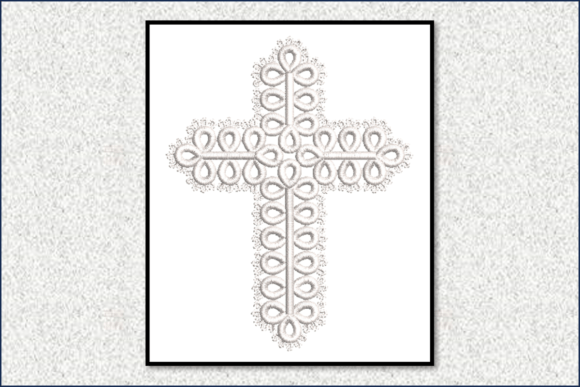
The first thing you notice about the Tatted Cross is its delicate structural integrity. Unlike bold, blocky fills, this design relies on negative space and fine lines to create its shape. It evokes a sense of vintage elegance and spiritual calm, making it a versatile asset for projects that require a touch of sophistication without being overly ornate. The layout feels balanced, with a visual personality that leans toward the handmade and artisanal rather than the mass-produced. For designers working within the Cities category or urban-themed collections, this piece offers a surprising contrast, bringing a soft, organic element to otherwise modern or industrial aesthetics.
When I loaded the embroidery file into my software, I was immediately interested in how the digitizer handled the transition between the open spaces and the stitched areas. The design does not rely heavily on dense fill stitch work, which is a significant advantage. Instead, it utilizes a combination of satin stitch borders and precise running stitch details to mimic the loops and knots of traditional tatting. This approach ensures that the final product remains lightweight and flexible, a crucial factor for wearable items.
Real-World Application: From Mockup to Finished Product
To truly evaluate a design, you have to imagine it on actual goods. I recently considered using the Tatted Cross for a line of custom tote bags intended for a local bookstore. The goal was to create a handmade product that felt literary and timeless. On canvas, the design held up beautifully. The lack of excessive density meant the fabric didn’t pucker, and the crisp lines stood out against the textured weave. It wasn’t just a tote bag design; it became a statement piece that customers could identify with instantly.
Beyond bags, this design shines in custom apparel. I tested it on a heavyweight cotton sweatshirt, placing it centrally on the chest. The result was a subtle yet striking focal point. For sweatshirt embroidery, clarity is key, and the Tatted Cross delivered. It also works exceptionally well for baby embroidery projects, such as christening gowns or nursery decor, where softness and delicacy are paramount. The design’s gentle appearance makes it a perfect candidate for personalized gift items, appealing to buyers looking for something meaningful and refined.
For Etsy sellers and small shop owners, versatility is vital. This design can easily be adapted for holiday embroidery projects, such as ornament covers or decorative pillow inserts. Its neutral yet symbolic nature allows it to fit into various seasonal themes without feeling out of place. When creating printable mockups for your online store, the clean lines of this design render beautifully, helping potential customers visualize the quality of the finished product.
Technical Considerations and Fabric Compatibility
While the Tatted Cross is visually stunning, it requires careful handling during the stitching process. Because it mimics lace, it is not ideal for highly stretchy fabrics without proper stabilization. If you are applying this to a curved surface like a cap, you must use a cut-away stabilizer to prevent distortion. The fine details can get lost if the fabric shifts even slightly.
Another critical factor is thread colors. Since the design relies on contrast and line definition, choosing the right thread is essential. On dark fabrics, a metallic or high-sheen rayon thread can make the motif pop, while on light fabrics, a matte cotton thread might provide a more understated, vintage look. Always test your thread colors on scrap fabric first. I recommend stitching a sample in black and white to check for clarity before committing to colored threads.
Be cautious with very thin or sheer fabrics. While the design is not overly dense, the cumulative effect of the stitches can still cause puckering if the stitch density is not managed correctly by your machine’s tension settings. For commercial embroidery runs, consistency is key, so dialing in your tension on a test swatch is non-negotiable.
Enhancing Brand Value and Customer Trust
Using high-quality design assets like the Tatted Cross directly impacts your brand’s perceived value. Customers can tell the difference between a sloppy, pixelated design and a professionally digitized one. The precision of this design conveys professionalism and attention to detail, which builds trust. Whether you are selling digital embroidery file packages or embroidered patch products, the clarity of the stitch work reflects on your reputation.
For craft business owners, this design offers a unique selling proposition. It allows you to offer the look of expensive, hand-tatted lace at a fraction of the time and cost. This efficiency enables you to scale your production without sacrificing the artisanal feel that buyers crave. It is an excellent addition to any portfolio of small shop product offerings, particularly for those focusing on spiritual, minimalist, or vintage-inspired niches.
Final Designer Notes
Before integrating the Tatted Cross into your next embroidery project, keep these practical tips in mind:
- Check Hoop Size: Ensure the design fits comfortably within your chosen hoop, leaving enough margin for stable stitching.
- Verify Licensing: Always confirm the license terms before selling finished items or redistributing the digital embroidery file.
- Test on Scrap: Never skip the test stitch. Check for thread breaks and tension issues on the specific fabric you plan to use.
- Contrast Matters: Evaluate how the design looks on both light and dark backgrounds to maximize its visual impact.
- Stabilizer Choice: Match your stabilizer to the fabric weight and stretch to maintain the integrity of the fine details.
In conclusion, the Tatted Cross is a thoughtful, well-executed design that bridges the gap between traditional craft and modern efficiency. It is a reliable tool for designers who value quality and versatility in their Embroidery work. By understanding its strengths and limitations, you can leverage this design to create stunning, marketable products that resonate with your audience.